
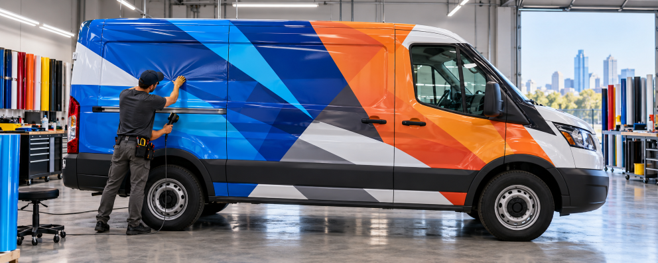
A vehicle wrap is one of those projects where the finished result looks simple only because a lot of decisions happened before installation. The artwork has to fit the vehicle. The surface has to be ready. Text needs to stay readable around doors and body lines. The material has to be installed carefully enough that the design looks intentional instead of pieced together. That is why businesses searching for a wrap installer in Merriam should compare more than price and a few finished photos. The right shop should be able to explain design, preparation, installation, maintenance, and what happens when the vehicle has features that make the job less straightforward. You do not need to understand every material or installation term. You should understand how the shop plans to turn a real vehicle into the finished design you approved.
Start by looking at work similar to your vehicle
A wrap on a small sedan is not the same project as a full size van, box truck, service truck, or fleet vehicle. Curves, doors, windows, handles, wheel wells, and specialty equipment all change the layout. When comparing a wrap installer in Merriam, ask to see examples that are reasonably close to the kind of vehicle you have. The goal is not finding your exact make and model in the portfolio. It is seeing whether the shop has experience working around similar surfaces and commercial layouts. That gives you a better sense of what the company can do than one highly polished photo of a completely different type of vehicle.
Ask how the design process works
Some businesses already have full artwork ready. Others have a logo and a general idea. Many are somewhere in between. A custom vehicle wrap company in Merriam should explain what files are needed, how the vehicle is measured or templated, and how many design revisions are part of the process. The business should also know who approves the final layout before production. This step matters because a wrap is difficult to judge if the client only sees small pieces of the design. A clear proof should show how the major panels work together and where important information will sit on the actual vehicle.
Vehicle wraps move. That sounds obvious, but it changes how people read them. Someone may have only a few seconds to notice the company name, understand the service, and remember one contact detail. That is why vehicle graphics in Merriam should be designed for distance and motion. Tiny service lists and crowded layouts can look impressive on a large computer monitor while becoming nearly useless on the road. Ask the shop what it considers most important in the visual hierarchy. If the design has ten things competing for attention, the answer may be that it needs fewer things.
Installation begins with the surface. Dirt, wax, grease, loose trim, damaged paint, rust, and other conditions can affect the work. A dependable wrap installer in Merriamhould give the customer preparation instructions before the appointment. Ask whether the vehicle needs to be washed a certain way, whether accessories need to be removed, and how paint or body damage is handled. This is especially important for commercial vehicles that have been working for several years. A truck or van may be mechanically solid while the exterior has collected scratches, chips, and repairs. The shop needs to know what it is installing over.
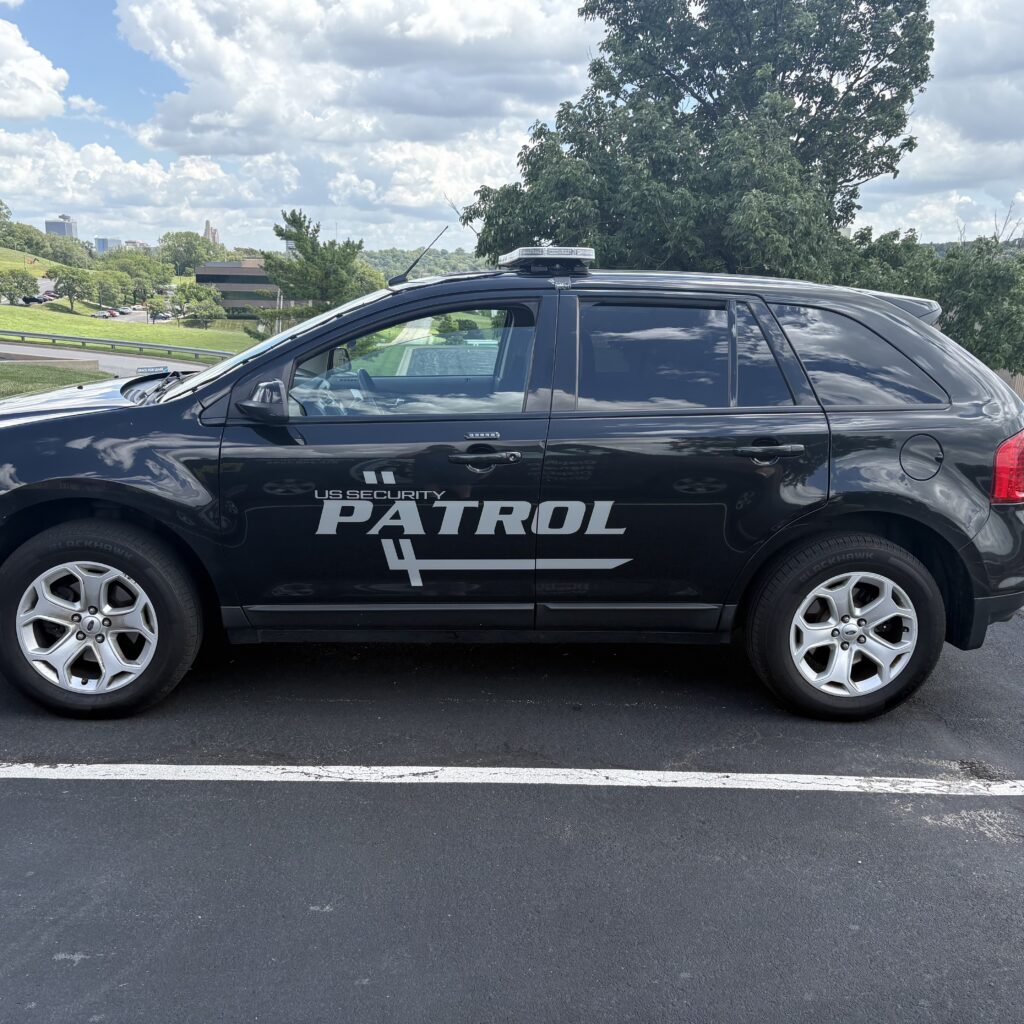
Ask where the installation happens
Wrap material needs controlled conditions for installation. Temperature, cleanliness, lighting, and workspace all matter. Businesses do not need a technical tour of the building, but it is reasonable to understand whether the vehicle will be installed indoors and how the shop manages the environment. A professional setup helps make the process more consistent and protects the vehicle from weather while major panels are being applied. This is one of those details that may not appear in a quote but can tell you something about how seriously the shop treats the work.A vehicle is not a flat billboard. The design may pass across door seams, handles, hinges, bumpers, curves, and recessed areas. Truck wraps in Merriam should be planned around those features instead of treating them like problems discovered during installation. Important text should stay out of areas where it becomes difficult to read. Logos should not be split in ways that look accidental. Ask how the shop handles complex parts of the vehicle. The answer does not have to be overly technical. You are looking for evidence that these areas were considered before production.
Fleet consistency deserves extra attention
If the business has more than one vehicle, the first wrap may become the template for the rest of the fleet. That makes consistency important from the beginning. A design may need to adapt from a truck to a van or from one model year to another. The proportions will change, but the brand should still look related across vehicles. Someone planning custom vehicle wraps in Merriam should ask how artwork is adjusted for different vehicle shapes and how the shop keeps colors, typography, and major design elements consistent from one installation to the next.
Work vehicles live in the real world. Doors get scratched. Panels get dented. A bumper may need body repair. An accident can affect one side of a wrapped vehicle without damaging the rest. Before choosing a wrap installer in Merriam, ask how partial repairs or reprints are handled. The business may not need that service for years, but knowing the original files and specifications are organized can make future work easier. This is especially useful for fleets, where one mismatched replacement panel can stand out immediately beside several otherwise consistent vehicles.
A wrap is exposed to sun, rain, road debris, washing, heat, cold, and everything else a vehicle experiences. Ask the shop how the vehicle should be cleaned and what signs of wear should prompt a service call. The expected life can vary with material, exposure, care, and how the vehicle is used. A business should be cautious of promises that ignore those factors. It is more useful to understand what good maintenance looks like and when replacement should be considered so the wrap does not stay on long after it stops presenting the brand well.
Choose the installer that can explain the whole process
A wrap can be attractive and still miss the point. A local service company may need its name and service to be obvious. A specialty brand may care more about visual recognition. A sales vehicle may use a different message from a work truck.That is why a custom car wrap in Merriam project or commercial vehicle design should begin with the reason for wrapping the vehicle, not just the available surface area. The design should help the right people recognize the business quickly. Everything else is secondary. Wrap It Up KC works with vehicle wrap projects where design and installation have to fit the actual vehicle instead of a generic rectangle on a screen. A strong shop should be able to explain the steps before installation day arrives. Ask about artwork. Ask about surface preparation. Look at comparable work. Understand how fleet consistency is handled. Find out what happens if the vehicle needs a repair later.
We are Wrap It Up KC, and we help businesses get noticed.
Your vehicles are more than transportation. They can also be moving ads that work every single day. A plain truck blends in. A wrapped truck stands out. That difference matters when customers are choosing who to call.
We see it all the time. A strong wrap builds trust. It makes your company look sharp and professional. And it gets people talking.
Don’t let your fleet drive by unseen. Contact us today or give us a call at 816-960-4546. Let’s get your vehicles working harder for you.


